
Treatment Guide · October 18, 2025 · 6 min · By Yasmin Delacroix
Ablative vs. non-ablative laser resurfacing
Dramatic results with downtime, or gradual gains with none, the core trade-off.
Laser skin resurfacing splits into two broad families, and understanding the difference is the foundation of choosing wisely.
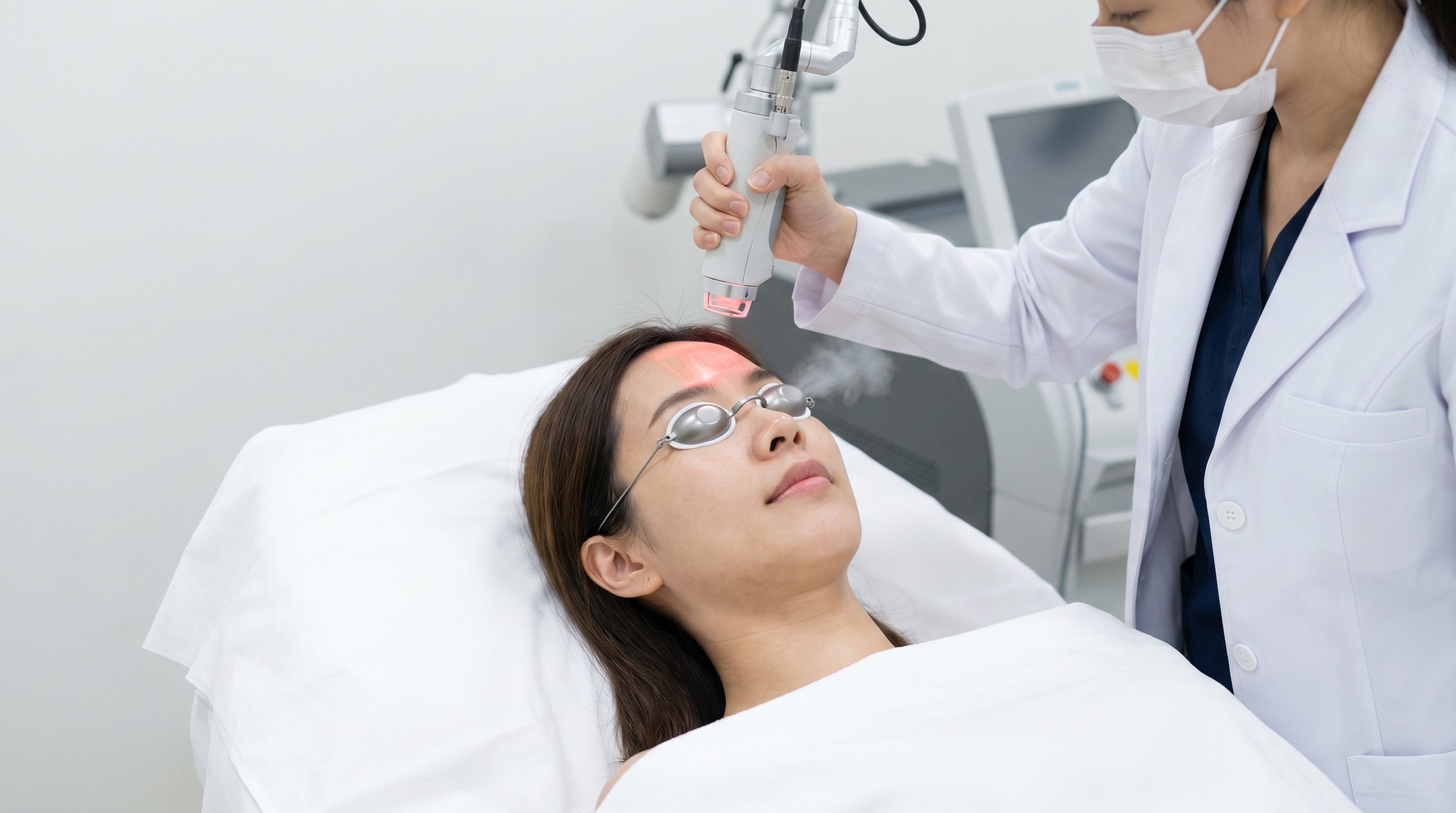
Ablative lasers (such as CO2 and erbium) remove the outer layers of skin, prompting a powerful wound-healing and collagen-rebuilding response. They deliver the most dramatic improvement in deep wrinkles, scars, and sun damage in a single treatment, at the cost of real downtime, with days to weeks of redness, peeling, and careful aftercare. Non-ablative lasers heat the deeper skin to stimulate collagen without removing the surface, so they have little to no downtime but produce subtler results that build over a series of sessions.
The choice is a trade between intensity and convenience. Significant aging or scarring in someone who can take time off may favor ablative; modest concerns or a no-downtime requirement point to non-ablative series. Skin tone also factors in heavily, since aggressive ablative treatment carries pigment risks in darker skin. A consultation matches the laser to your skin, your concern, and how much recovery you can accommodate, there is no single best laser, only the best fit.
Related reading: Ablative vs Non-Ablative Laser for Wrinkles: What the Science Actually Says.
Further reading: Safety and Tolerability of the 1440- and 1927-nm Non-Ablative Fractional Diode Laser System for Skin Resurfacing: A Review of Current Literature (J Cosmet Dermatol 2025); Effects of non-ablative Er:YAG laser on the skin and the vaginal wall: systematic review of the clinical and experimental literature (Int Urogynecol J 2020); Advancements in laser technologies for skin rejuvenation: A comprehensive review of efficacy and safety (J Cosmet Dermatol 2024).