
Laser News · April 30, 2026 · 7 min · By Leticia Arrington
Advances in cosmetic laser technology
Picosecond pulses, hybrid platforms, and smarter cooling are widening what is possible.
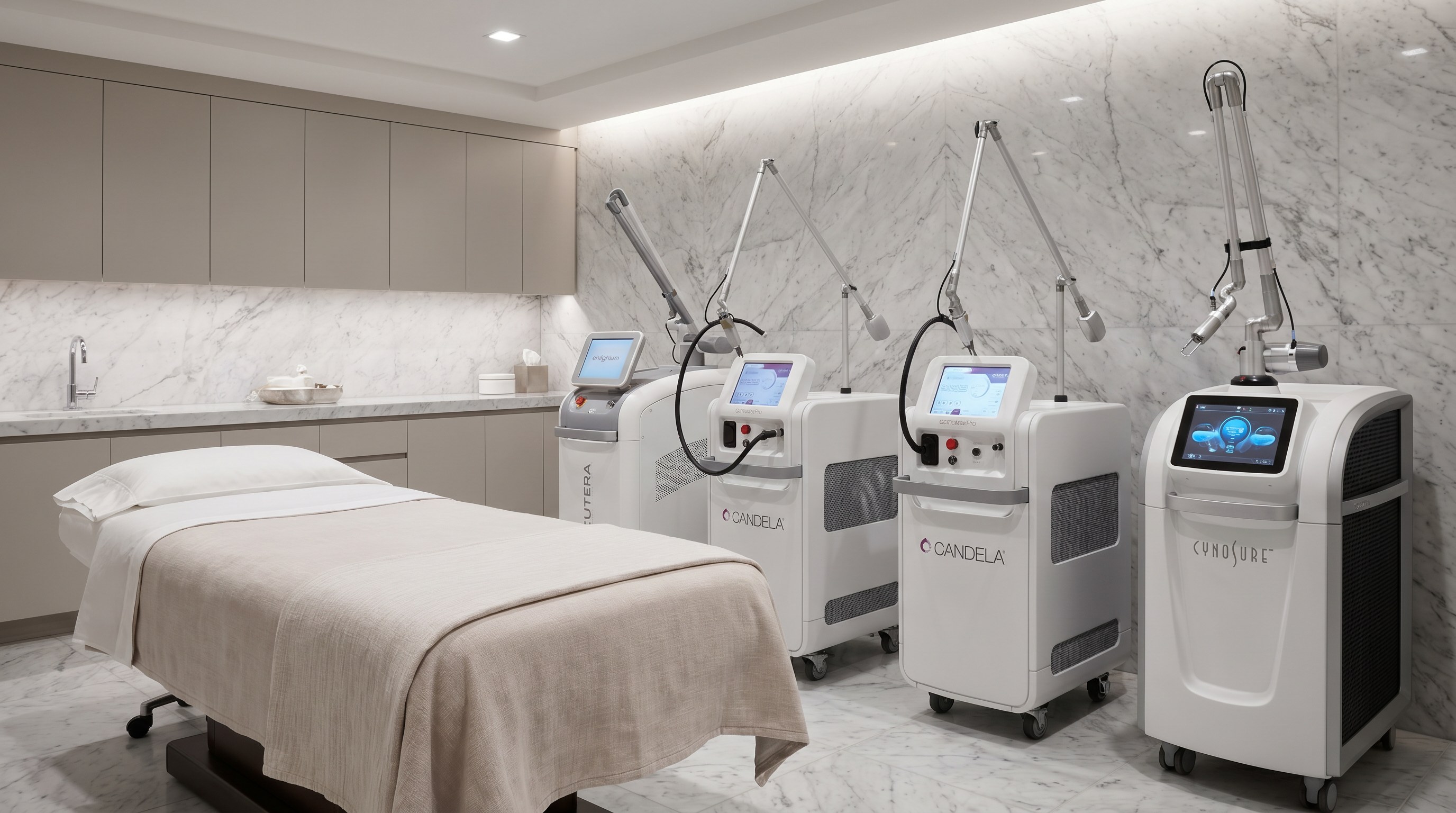
Cosmetic laser technology keeps advancing in ways that expand both effectiveness and who can be treated safely. Picosecond lasers, firing pulses far shorter than older devices, shatter pigment more by mechanical shockwave than heat, improving clearance of stubborn pigment and tattoos while lowering the risk of heat-related complications in darker skin. Hybrid and combination platforms deliver more than one wavelength or both ablative and non-ablative energy in a single treatment, letting clinicians address texture, tone, and tightening together.
Better cooling systems protect the skin surface during treatment, broadening the settings that can be used safely and improving comfort. Across the board, the trend is toward treatments that are stronger where they need to be and gentler on surrounding tissue, with more options for a range of skin tones than existed a decade ago. For an independent overview, see Lasers and lights: how dermatologists use them.
Clinics that invest in current platforms and train staff to use them well can tailor treatment more precisely, an approach reflected in the clinical coverage that leading Beverly Hills practices publish. The patient takeaway is not that the newest laser is automatically best, but that a clinic with modern, varied technology and experienced operators can match a treatment to your skin far better than one relying on a single aging device. Ask what they have and why they recommend it.
Related reading: How AI in Cosmetic Laser Treatment Is Creeping Into Planning.
A few principles hold across this category. The right device is the one matched to your concern, your skin tone, and your tolerance for downtime, not the newest machine on the floor. Settings, operator experience, and a test spot for higher-risk skin types matter more than the brand name on the platform. Ask which wavelength is being used and why it fits your case before any treatment begins.
Outcomes also depend on realistic staging. Most protocols are a planned series rather than a single visit, and final results are best judged weeks to months after the last session as the skin remodels. A careful consultation should set that timeline out in plain terms, name the expected recovery, and explain the plan if a side effect appears.
For independent background on this topic, see Lasers and lights: how dermatologists use them, and review the full source list below. This article is editorial reporting and is not a substitute for a consultation with a board-certified dermatologist.