Cost & Recovery · May 16, 2026 · 5 min · By Ezra Caulfield
What Laser Skin Resurfacing Costs: A Guide to Pricing and Recovery
Understanding how much is laser skin resurfacing requires knowing the procedure type, depth, and geographic factors.
How much is laser skin resurfacing? The answer depends on the laser technology used, treatment depth, area size, and geographic location. Prices typically range from 1,000 to 3,500 dollars per session for ablative treatments and 500 to 2,000 dollars for non-ablative options. Understanding what drives these costs requires a closer look at how these procedures work and what patients should expect during recovery.
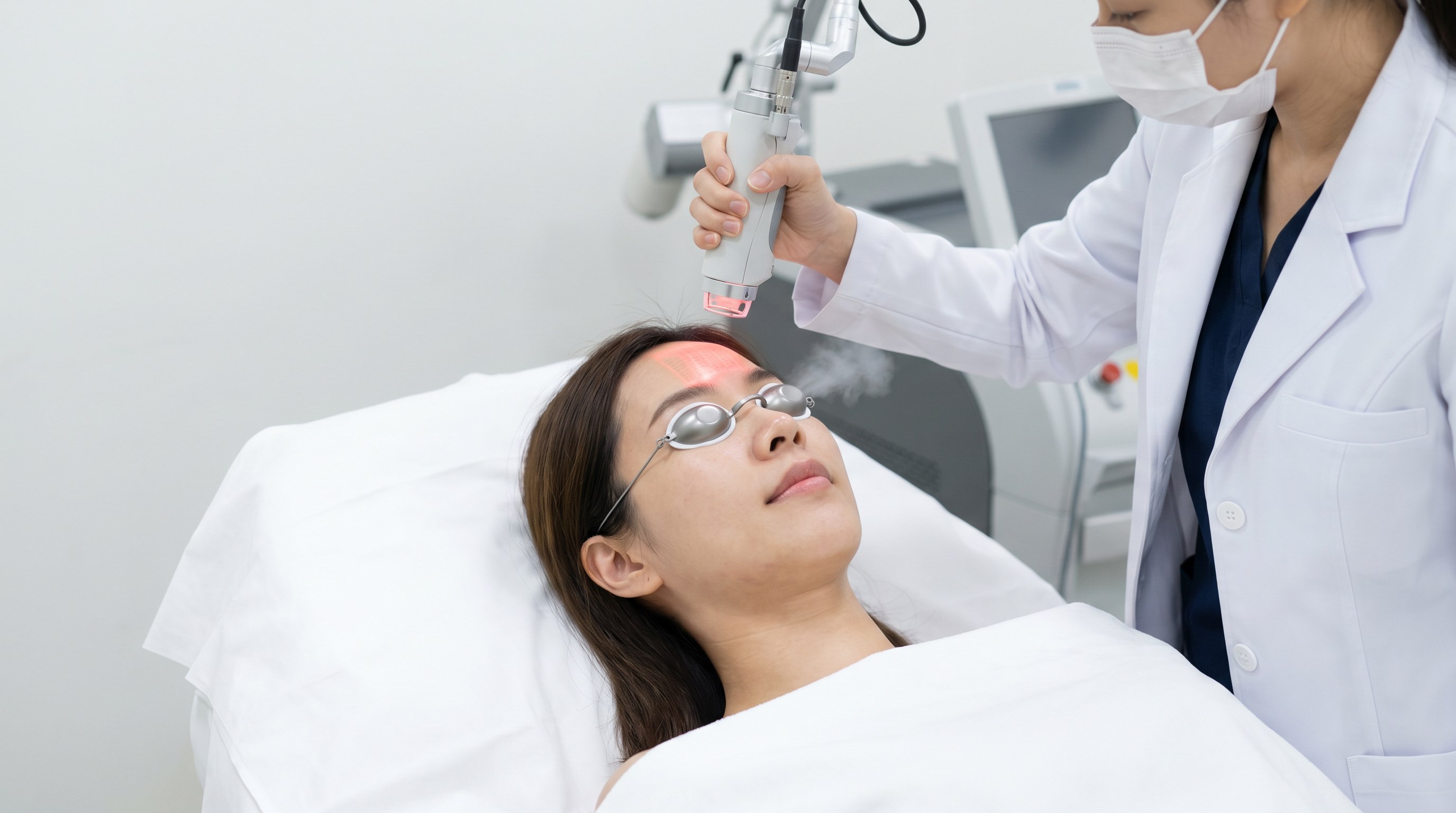
Laser skin resurfacing uses focused light energy to remove or remodel skin at precise depths. The two main categories are ablative and non-ablative. Ablative lasers, such as CO2 and erbium, vaporize the outer skin layers entirely. Non-ablative devices, including fractional lasers and Nd:YAG systems, heat deeper tissue without removing the surface, triggering collagen remodeling. The choice between these technologies significantly affects cost, downtime, and results. For an independent overview, see Laser resurfacing: what to know.
CO2 laser resurfacing is the most aggressive ablative option. It removes damaged skin and stimulates collagen production through controlled thermal injury. Full-face CO2 treatment typically costs 2,500 to 3,500 dollars. Erbium lasers, gentler than CO2, range from 1,500 to 2,500 dollars for comparable areas. Fractional versions of both create microscopic treatment columns, sparing healthy tissue between zones and reducing recovery time. Fractional treatments cost 1,000 to 2,500 dollars depending on coverage area and intensity.
Non-ablative options like fractional Nd:YAG or infrared devices are less expensive, running 500 to 1,500 dollars per session, but typically require multiple treatments, three to six weeks apart, to achieve visible results. They are better suited for mild skin texture issues, fine lines, and maintenance rather than significant sun damage or deep wrinkles.
Geographic location affects pricing substantially. Major metropolitan areas and high-cost-of-living regions charge 20 to 40 percent more than secondary markets. Surgeon experience and credentials also influence fees, though cost alone does not guarantee superior outcomes.
Recovery differs sharply between ablative and non-ablative treatments. Ablative resurfacing creates a controlled wound. Patients experience significant redness, swelling, and oozing for 7 to 10 days. Complete healing takes 2 to 3 weeks, though some redness and sensitivity persist for 2 to 3 months. During this period, strict sun protection and wound care are non-negotiable. Non-ablative treatments produce mild redness lasting hours to a few days, allowing patients to return to normal activities immediately. For related context, see our note on Laser for Rolling Acne Scars: How It Works and What to Expect.
Candidacy depends on skin type and treatment goals. Ablative lasers work best on lighter skin types (Fitzpatrick I to III) because they carry higher risk of post-inflammatory hyperpigmentation in darker skin. For patients with skin tone IV and above, non-ablative fractional Nd:YAG systems are safer, as their longer wavelength penetrates deeper without damaging melanin in the basal layer. Patients with active acne, herpes simplex history, or unrealistic expectations are poor candidates.
Realitic results include improved skin texture, reduced fine lines, faded acne scars, and more even tone. However, no single laser session erases deep wrinkles or severe sun damage completely. Ablative treatments produce more dramatic results in one session than non-ablative approaches, which is why many patients accept longer recovery in exchange for faster improvement.
Cost variation also reflects the device itself. Hospital-grade CO2 and erbium lasers cost 300,000 to 500,000 dollars to purchase and maintain, so clinics must spread that capital expense across patient fees. Maintenance, calibration, and safety training add ongoing overhead. Cheaper providers may be using older or lower-specification equipment, which can reduce precision and increase complication risk.
Some patients combine laser resurfacing with other procedures, such as chemical peels or injectables, increasing total expense. A consultation typically costs 100 to 300 dollars and should include detailed skin assessment, realistic before-and-after imagery, and a transparent cost breakdown including post-treatment care products.
Patients should expect to budget beyond the procedure fee for prescribed recovery products, which cost 100 to 300 dollars, and should plan for time off work. Ablative procedures typically require 1 to 2 weeks away from normal activity. Understanding these financial and time commitments helps patients make informed decisions about whether laser resurfacing fits their goals and circumstances.
Related reading: Laser for Spider Veins on the Legs: How It Works and What to Expect, Microneedling vs Fractional Laser for Acne Scars: How They Work and What to Expect.